848 works · 632 to read in full
The living library of Hindu scripture
Vedas and Upanishads, the epics, the Puranas, the law books and the six schools, and the regional canons from Tamil to Assamese — mapped as one web of texts, with 632 of them to read in full and 315 in English.
Begin with
Five doors into the library
Each is complete, with the original beside the translation where it can be matched verse for verse.
श्रीमद्भगवद्गीता
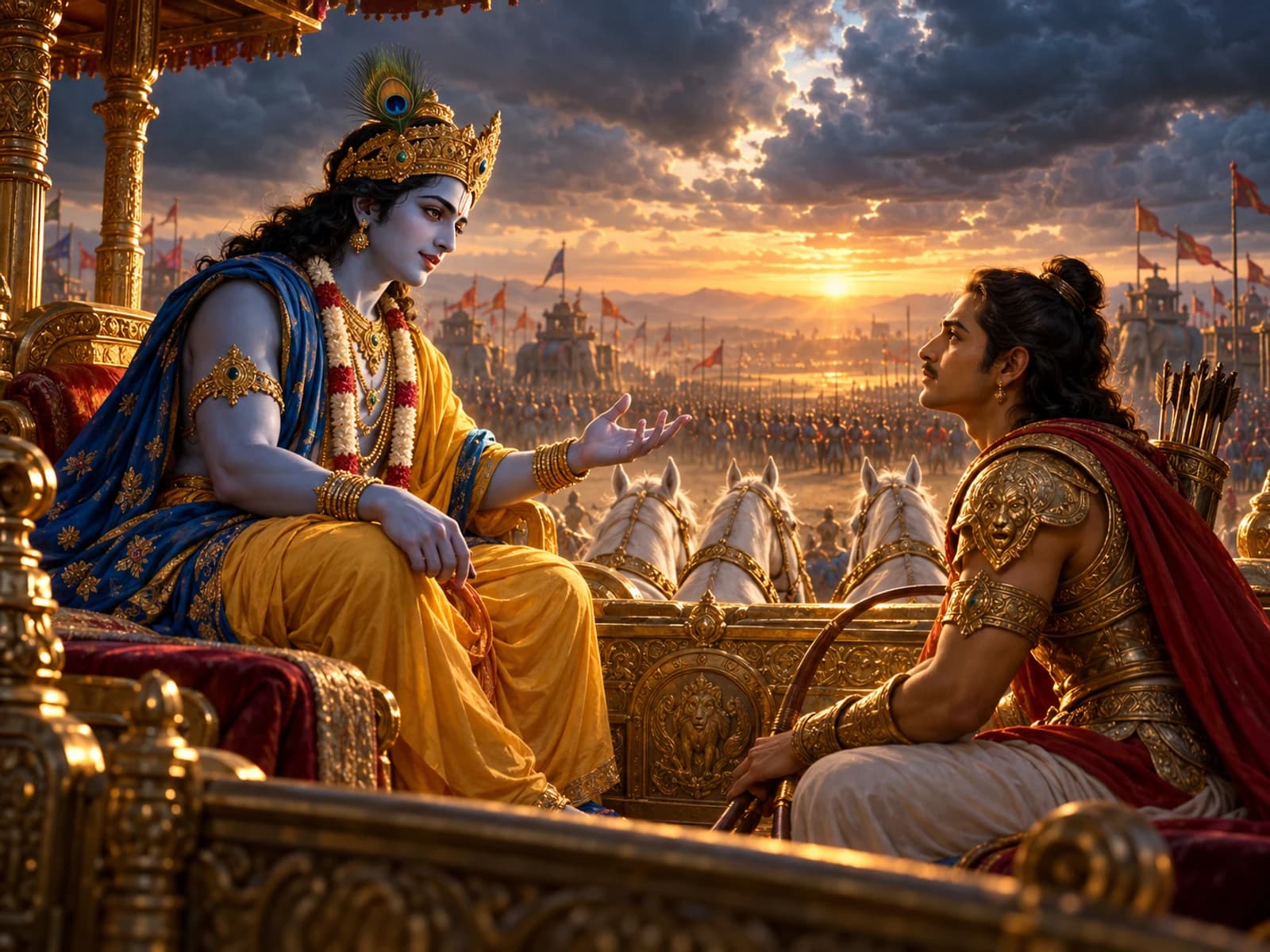
Bhagavad Gita
18 chapters · 701 verses · Sanskrit · IAST · English · Hindi
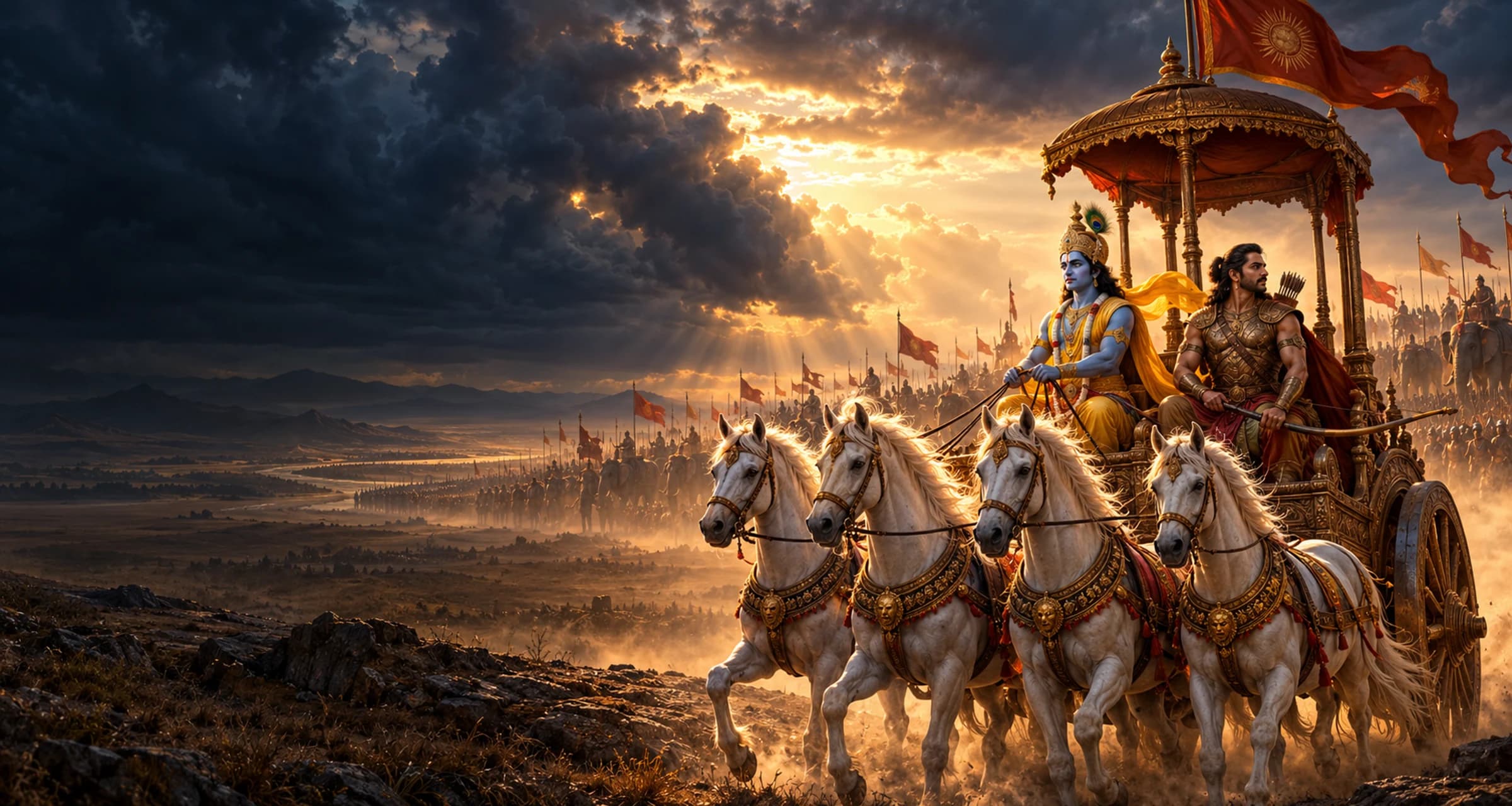
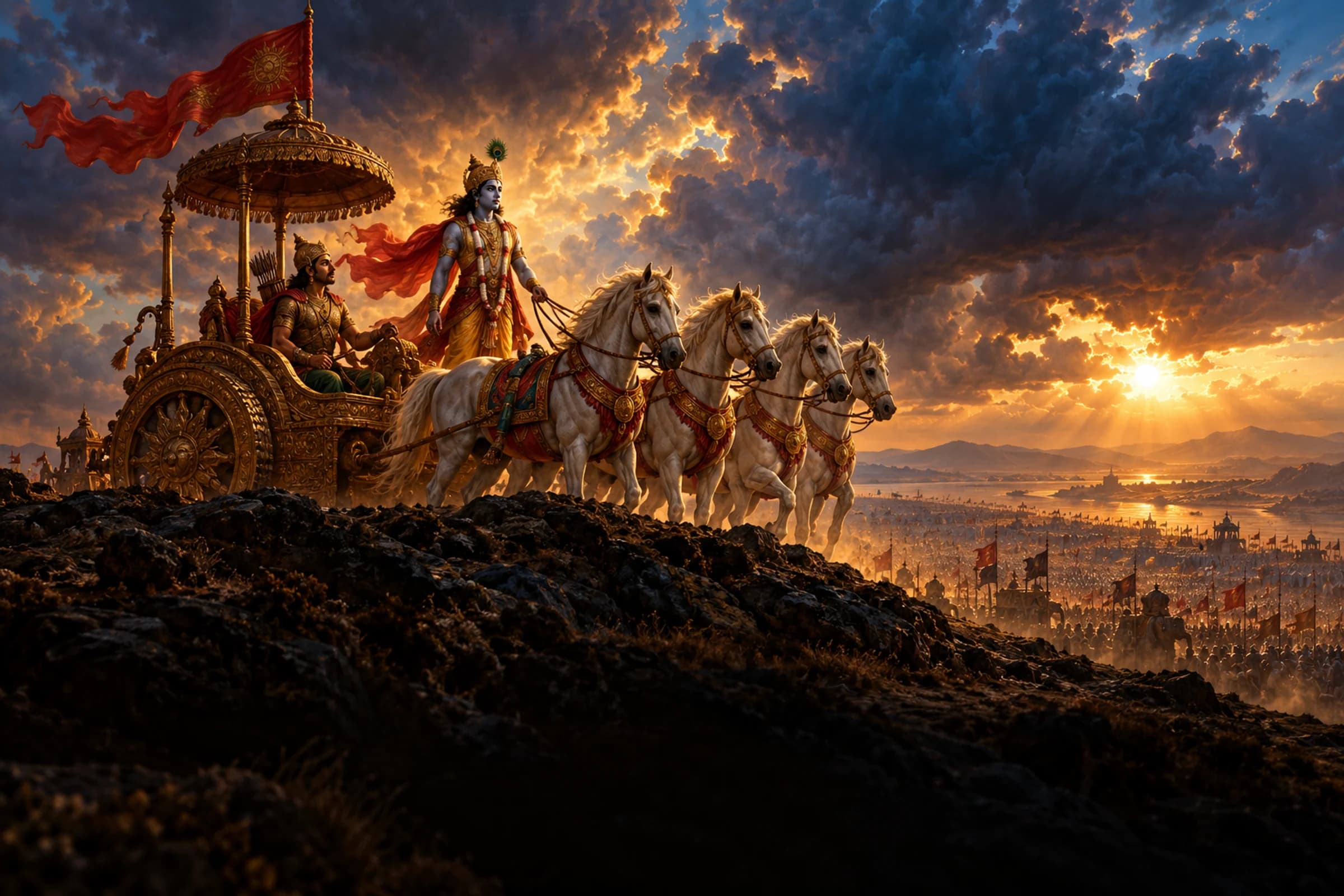
Eighteen chapters, about seven hundred verses, set on a battlefield. As the armies of the Pandavas and Kauravas face each other at Kurukshetra, Arjuna loses his nerve, and his charioteer Krishna answers him with a teaching on duty, the Self, action, knowledge and devotion. It sits in the Bhishma Parva of the Mahabharata (chapters 23–40).

ईशोपनिषत्
Isha Upanishad
18 verses · Sanskrit · IAST · English
ऋग्वेदसंहिता
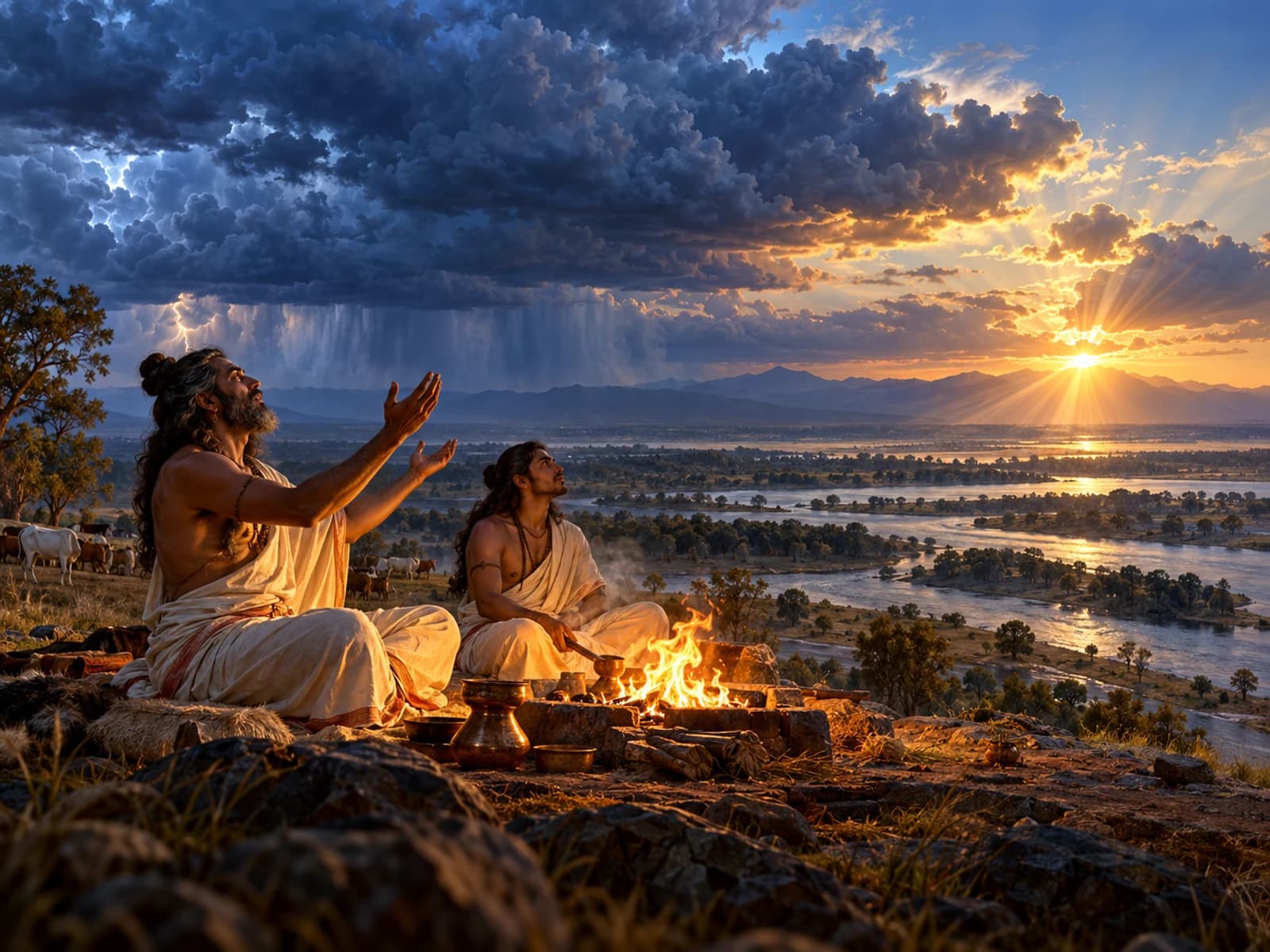
Rig Veda
10 chapters · 1,028 verses · Sanskrit · IAST · English

पातञ्जलयोगसूत्रम्
Yoga Sutras of Patanjali
4 chapters · 195 verses · Sanskrit · IAST · English
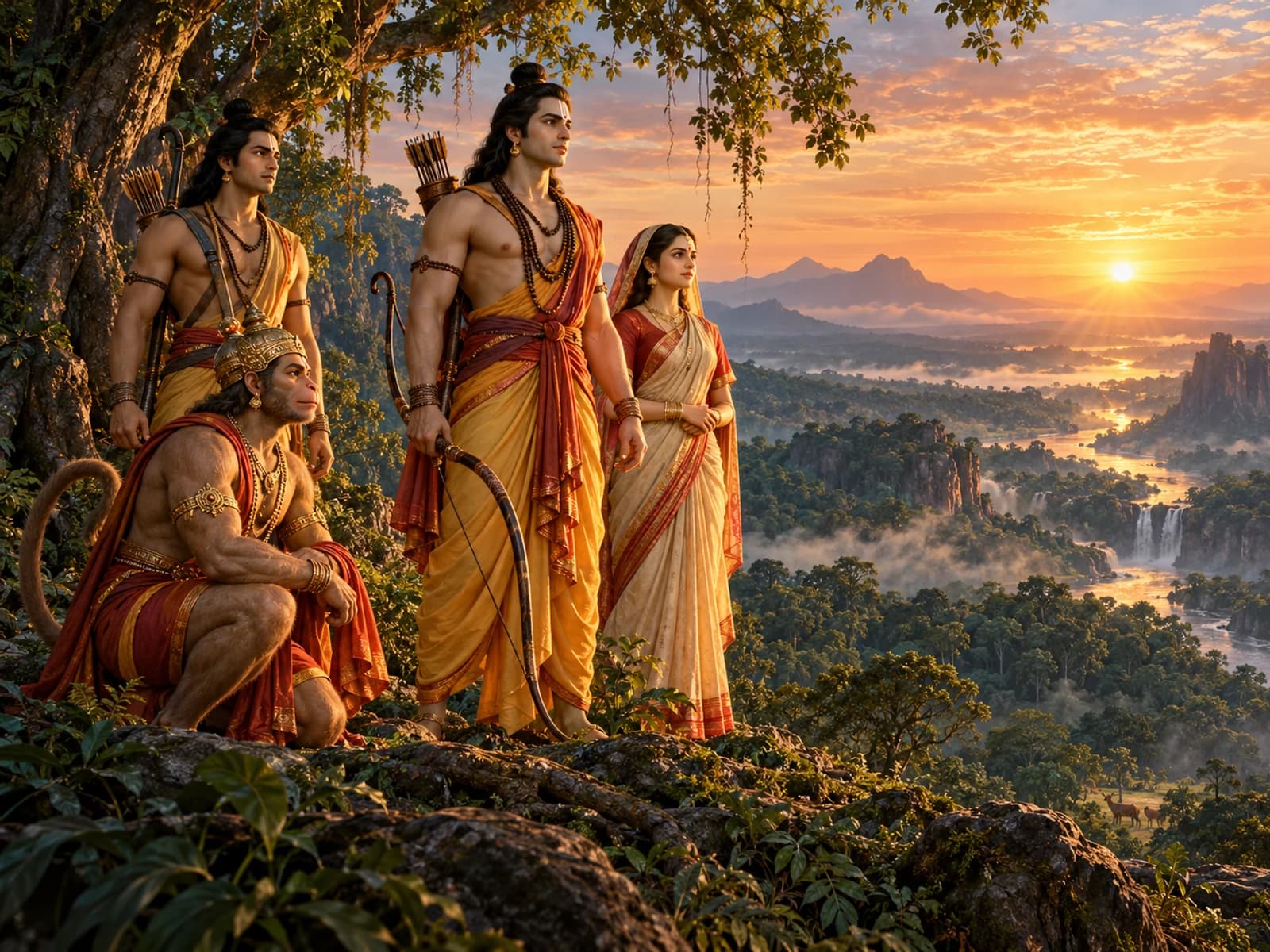
रामायणम्
Ramayana of Valmiki
494 chapters · 1,701 passages · English · + Sanskrit edition
The shape of the library
Three streams of scripture
What was heard
Shruti
The Vedas in their four layers — hymns, ritual Brahmanas, forest Aranyakas and the Upanishads — revealed to the seers and held as eternal.
89 worksExplore →
What is remembered
Smriti
Everything after: the epics and Gitas, the Puranas, the law books, the Agamas and Tantras, and the sutras of the six schools with their commentaries.
686 worksExplore →
In the people's tongues
Bhasha
The scriptures of the regional languages — the Tamil Tevaram and Divya Prabandham, the poet-saints of Marathi, Hindi, Bengali and more.
73 worksExplore →
The reading room
What you can read today
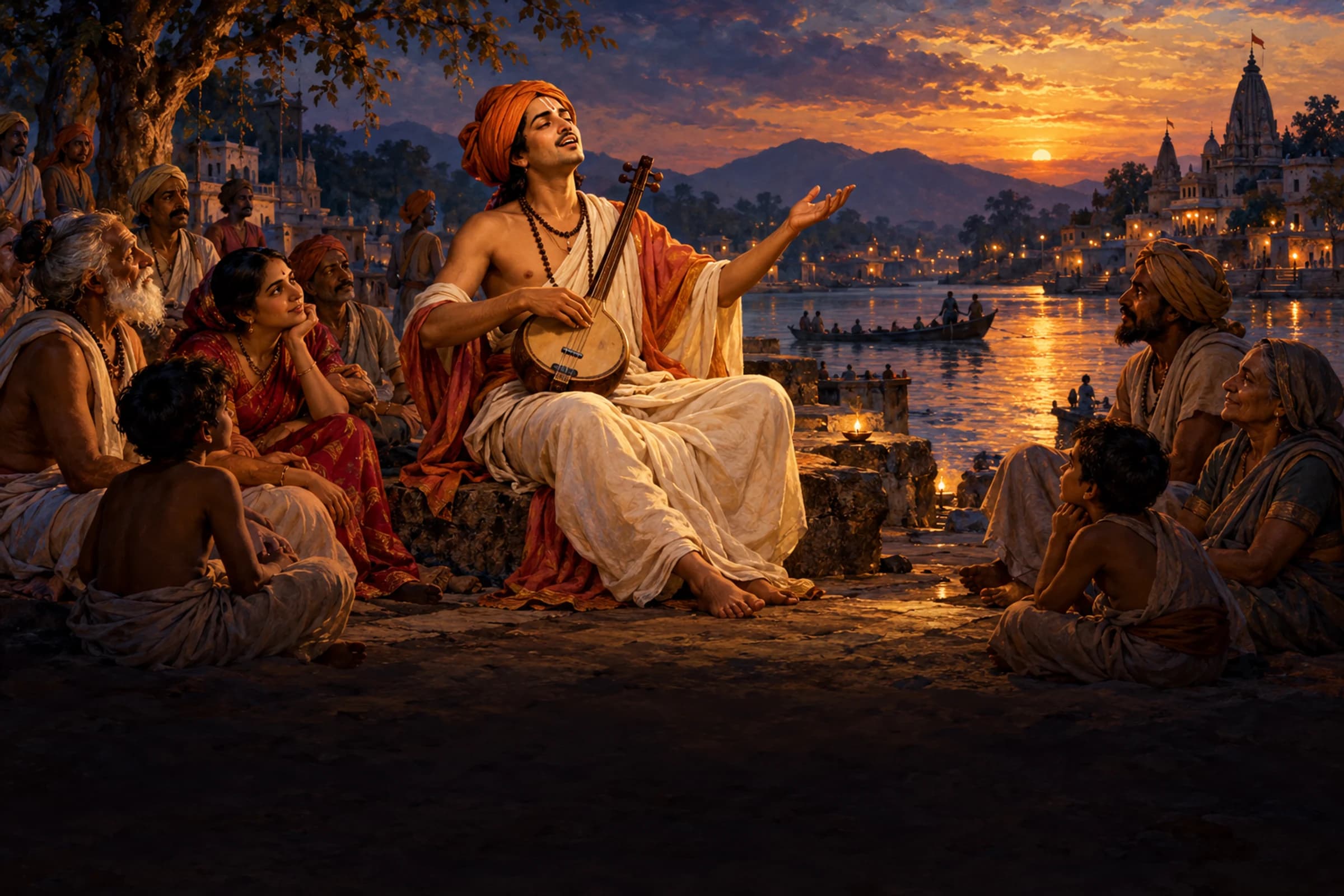
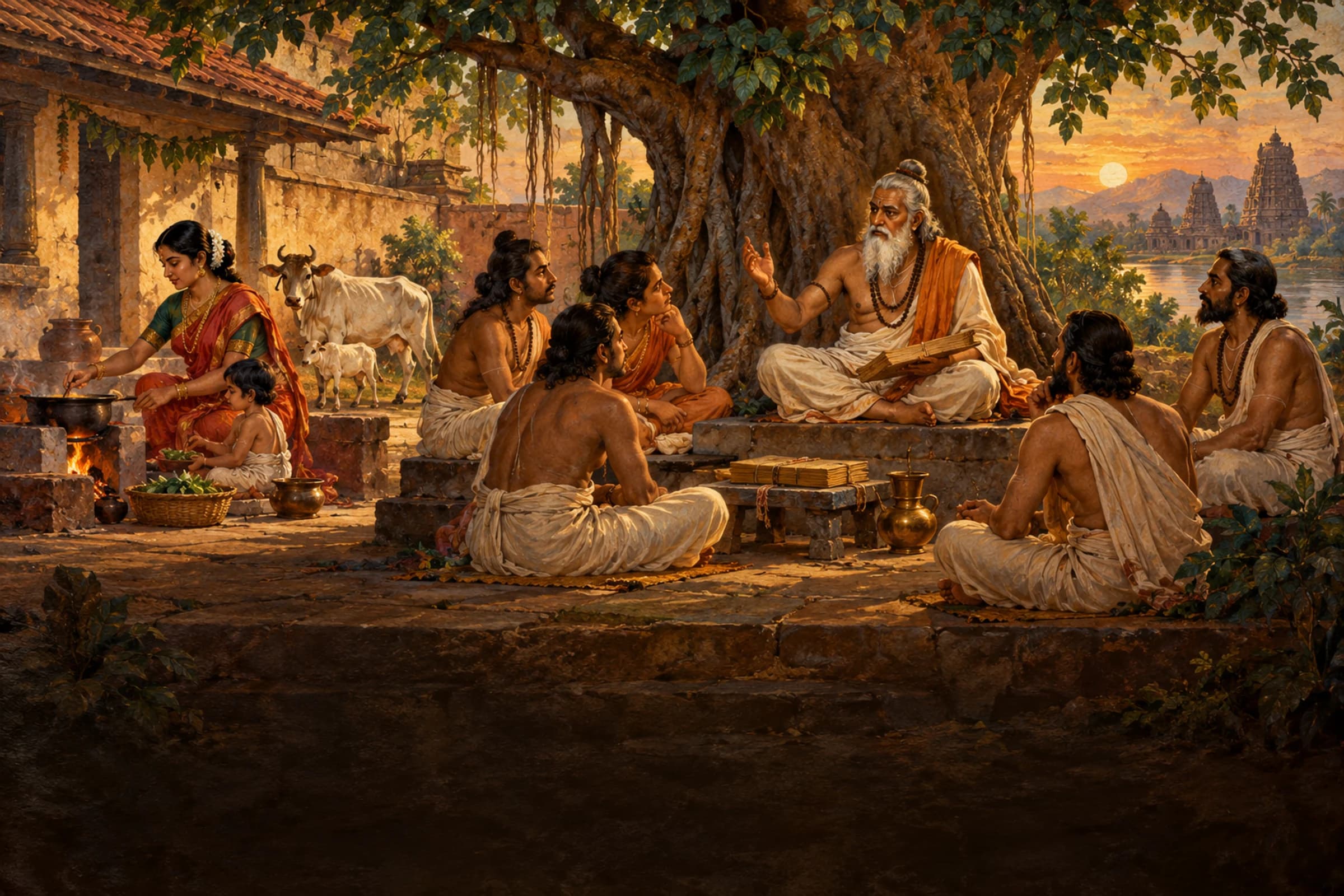
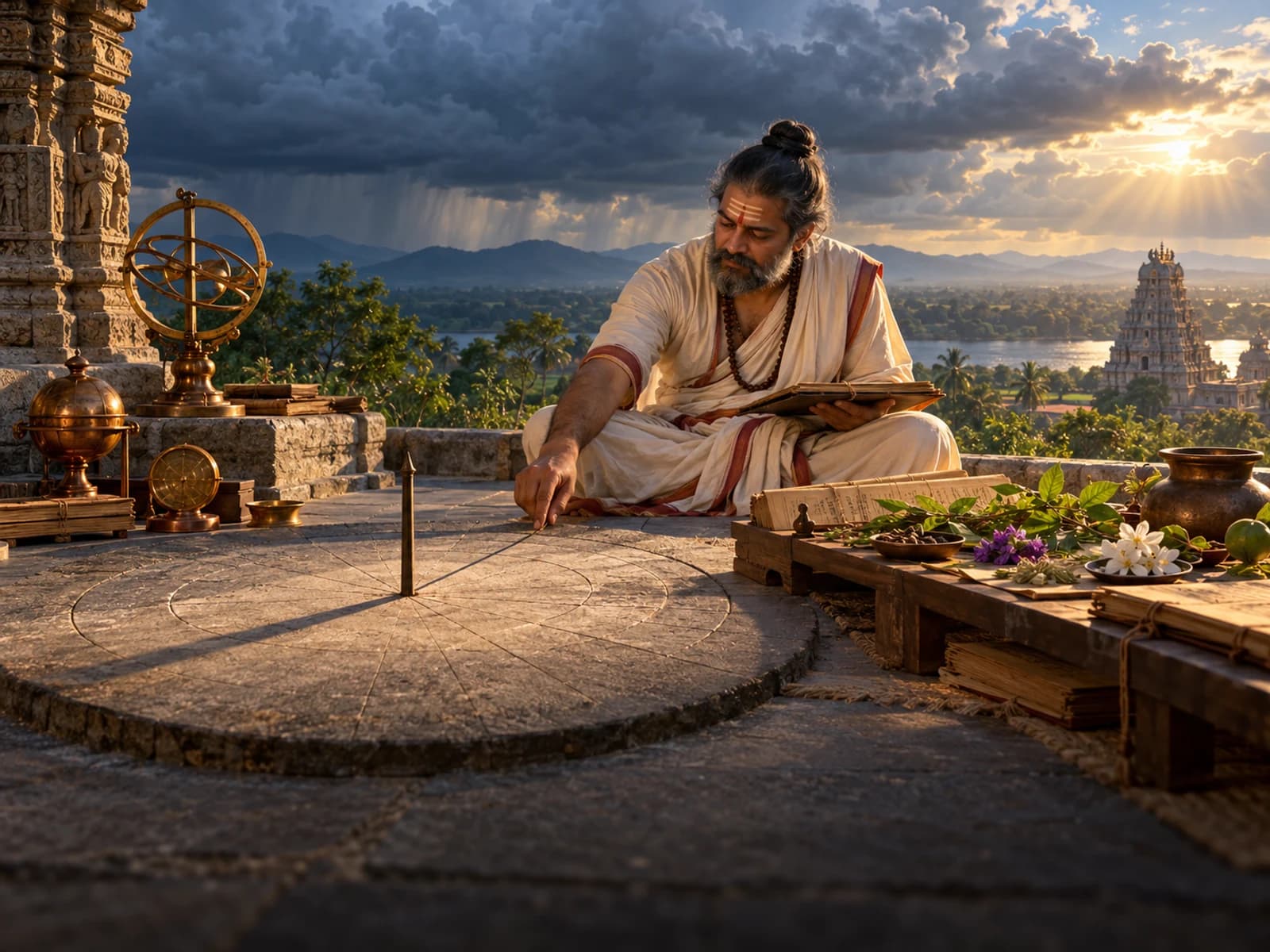
632 texts on ten shelves, from the Vedas to the songs of the saints.

The catalog
Every section of the library
The whole tradition, read or not yet: each section opens in the catalog with its works, authors and links.
In Sanskrit
- Veda89
The four Vedas, each with several recensions (shakhas).
- Vedanga52
The six auxiliary sciences needed to preserve and use the Vedas.
- Upaveda26
Applied sciences, each linked to a Veda (the pairings vary by source).
- Itihasa (epics)36
"Thus it happened": the Ramayana and the Mahabharata.
- Purana39
Encyclopedic texts on cosmology, genealogies, deities, pilgrimage and dharma.
- Dharmashastra27
Law, conduct and social ethics.
- Darshana (philosophy)93
The six orthodox schools, with their root sutras and commentaries.
- Agama and Tantra115
Temple, ritual, mantra and yoga scriptures. Their followers often treat them as equal in authority to Shruti.
- Gitas22
60+ philosophical dialogues, most embedded in the epics and Puranas.
- Stotra and Sahasranama197
Hymns, the 1,000-name litanies and famous Vedic suktas used in daily worship.
- Kavya40
Classical poetry and drama: the court epics of Kalidasa, Bharavi, Magha and Shriharsha, and the great plays.
- Shastra (sciences and arts)39
The learned sciences: statecraft and ethics, astronomy, poetics, lexicons and the Kamasutra.
In the languages of India
- Tamilதமிழ்21
The Shaiva Tirumurai, the Vaishnava Divya Prabandham and the Tirumantiram.
- Kannadaಕನ್ನಡ5
The vachanas of the Sharanas, the Haridasa songs and Kumaravyasa's Bharata.
- Teluguతెలుగు7
Potana's Bhagavatam, the Andhra Mahabharatamu and Annamacharya's songs.
- Malayalamമലയാളം5
Ezhuthachan's Adhyatma Ramayanam and Poonthanam's Jnanappana.
- Marathiमराठी7
The Dnyaneshwari, Tukaram's abhangs, the Eknathi Bhagavat and the Dasbodh.
- Hindiहिंदी13
Tulsidas, Surdas, Kabir, Mira and Vidyapati, in Awadhi, Braj and Maithili.
- Bengaliবাংলা7
The Krittivasi Ramayan, the lives of Chaitanya and the Mangal-kavyas.
- Odiaଓଡ଼ିଆ3
Jagannatha Dasa's Bhagabata and Sarala Dasa's Mahabharata.
- Assameseঅসমীয়া3
Shankaradeva's Kirtan Ghosha and the Saptakanda Ramayana.
- Gujaratiગુજરાતી1
The padas of Narsinh Mehta, the first great Gujarati poet-saint.
- Kashmiriकॉशुर1
The vakhs of Lalleshwari, the fourteenth-century Shaiva mystic.
A path to follow
A first reading path
An order for a newcomer to read in, from short and accessible texts to the foundations.
Traditional groupings
Named collections
Prasthanatrayi (the three foundations)
Every Vedanta school must comment on these three to establish itself.
Dashopanishad (ten principal Upanishads)
The ten Upanishads Shankara commented on.
The four Mahavakyas (great sayings)
One great saying from each Veda.
Root texts of the six Darshanas
The foundational text of each orthodox school.
Munitraya (three sages of grammar)
Panini, Katyayana and Patanjali, the canonical authorities of Sanskrit grammar.
Pancha Mahakavya (five great poems)
The five model Sanskrit court epics.
Brihat-trayi of kavya (the greater three)
The three most difficult and learned Mahakavyas.
Laghu-trayi of kavya (the lesser three)
Kalidasa's three poems, traditionally read first.
Brihat-trayi of Ayurveda (the greater three)
The three classics of Ayurveda.
Ratna-traya (three gems of Pancharatra)
The three most authoritative Pancharatra Samhitas.
Works called "the fifth Veda"
Works that tradition, or the works themselves, call a fifth Veda.
Connections
See how 848 works speak to one another
Commentaries and their roots, retellings and their sources, schools and their founders — 147 links drawn as one graph you can pan, search and follow.
Open the connections graph →